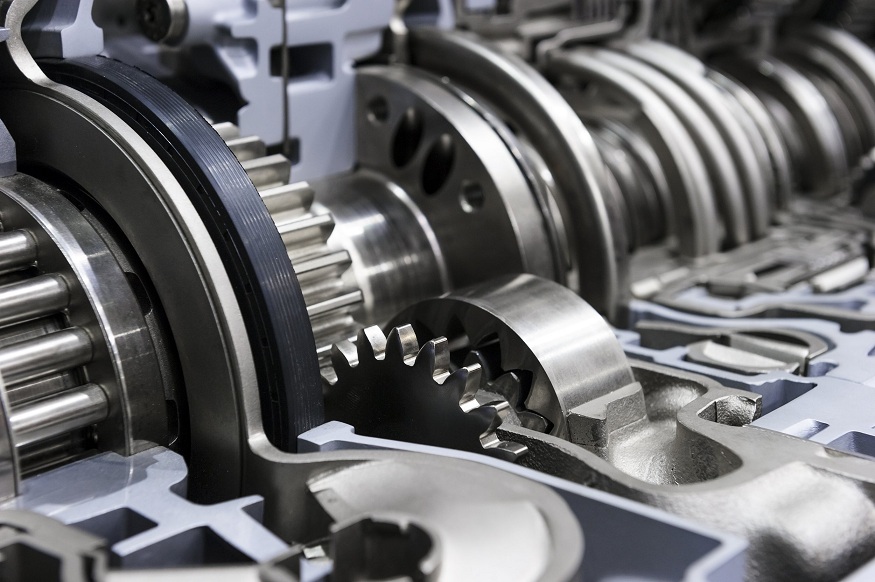
A Complete Guide to Heavy Truck Transmission Maintenance
Heavy truck transmissions are made to handle immense power and torque. Maintaining these systems helps ensure your vehicle’s optimal uptime, longevity, and prevention of costly failures. Ensuring regular transmission maintenance helps prevent wear and overheating, enables smooth gear shifts, and improves fuel efficiency. Whether you use your trucks to support your agriculture, logistics, construction, or any other business operation, it is important to ensure timely transmission maintenance.
Here are the key components of an effective heavy truck transmission maintenance program:
1. Fluid Checks & Replacement
Maintaining proper fluid is crucial for the transmission system’s lubrication and temperature maintenance. This part of the process involves:
- Checking Fluid Level: Ensuring the fluid levels meet the owner’s manual recommendations.
- Checking Fluid Condition: This involves examining the transmission fluid’s odor and color.
- Changing Fluid: The transmission fluid must be changed as per the manufacturer’s recommendations. This can vary from 30,000 miles to 60,000 miles and depends on your truck’s usage and operating conditions.
2. Maintain the Transmission Cooling System
If your truck’s transmission cooling system fails to work properly, the fluid can break down and the system can get damaged. Take the following steps to make sure this system keeps working efficiently:
- Inspecting the Transmission Cooler: Look for any signs of damage or blockages that may impact the cooling system’s performance.
- Maintaining Coolant Level: Besides ensuring proper transmission coolant level, also check its condition.
It is further recommended to avoid aggressive acceleration and excessive idling. If a truck regularly hauls heavy loads, you can install an auxiliary transmission cooler for additional transmission protection from overheating.
Read More: Renting a Car for Dubai Expo or Trade Fair Events
3. Regular Components Inspection
Have your transmission system regularly inspected. This can help catch any potential issues in time. You should be looking for:
- Damaged or Worn Parts: Any signs of wear, leaks, or cracks in the housing.
- Damaged Electrical Connections: Have the electrical connectors and sensors checked for signs of damage or corrosion.
4. Take Note of Warning Signs
You should know about the warning signs that indicate potential issues. If you notice the following problems, have your truck checked by a professional:
- Delayed gear shifts
- Slipping gears
- Stiff gear changes
- Transmission fluid leaks
- Burning odor
- Clunking or grinding noises
The appearance of warning lights on the dashboard can also signal transmission issues.
5. Look for Leaks
It is recommended to regularly check the ground underneath your truck for any signs of leaks. If there are brown or red fluid spots, take the following steps:
- Determine the Source: Look for leaks around transmission seals, hoses, and pan.
- Fix the Leaks: Have your mechanic fix the leak to prevent further damage.
6. Ensure Regular Inspections
Make scheduled regular inspections by professionals a part of your fleet management process. This can help detect and fix problems before they turn into major and costly issues. Experienced and qualified technicians can identify problems that may not be noticed during normal operations.
Read More: Discover affordable car rental solutions in Dubai while still maintaining high-quality standards.
Make sure to get your heavy truck’s transmission checked at least once every 12 months or every 20,000 to 30,000 miles. If your truck operates more often in stop-and-go traffic or indulges in heavy towing, it will need more frequent inspection.
It is recommended to keep a record of all the maintenance tasks completed. This can help you keep track of fluid changes, inspections, and dates.
Conclusion
Besides these steps, it is suggested to practice smooth driving habits to reduce the stress and strain on your heavy truck’s transmission. If you have a fleet of trucks, ask your drivers to use the right gear and avoid sudden starts and stops. It is further recommended to avoid overloading. The transmission must be kept clean at all times, as dirt, metal shavings, and debris can accumulate around the transmission over time.