Beyond the famous trails: a real talk about Island Peak, Lobuche Peak, Mera Peak, and the Everest Three Passes Trek
Mountains always attract different kinds of people. Some want a quiet walk, some want an extreme challenge, some want that feeling of standing somewhere very few humans ever stand. Nepal, especially the Everest region, offers this strange mix of beauty, struggle, excitement, and sometimes pure exhaustion. When trekkers move beyond the classic routes, names like Island Peak Climbing, Lobuche Peak Climbing, Mera Peak Climbing, and the legendary Everest Three Pass Trek start appearing in conversations.
These are not simple holidays. These are experiences that change breathing, change thinking, and change patience level also. Let’s talk about them in a real, honest, human way.
island peak climbing – the first real taste of mountaineering
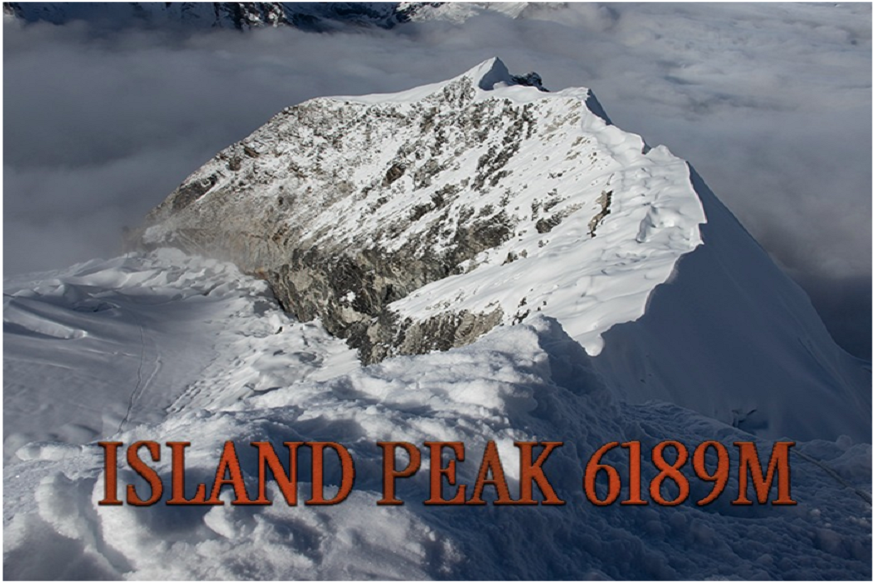
Island Peak has a funny name. When you hear it for the first time, you imagine maybe a tropical island somewhere, palm trees, and an ocean breeze. But reality is opposite. The island peak rises in the cold heart of the Himalayas, surrounded by ice, rock, snow, and that deep silence that only high mountains can create. This peak is often chosen by people who want to step from trekking into climbing. not extremely technical, but still serious. still demanding respect. The journey usually begins like a normal Everest trek. You pass Lukla, Namche Bazaar, Tengboche, and Dingboche. Villages are full of prayer flags, stone walls, smiling Sherpa faces, and bakeries where coffee tastes better because you walked hours to earn it. But slowly, the trail starts feeling different.
Air becomes thinner. Steps become slower. The body starts asking questions.
Why are we doing this?
Island Peak climbing is not only about reaching the summit. It is about learning how mountains work. Using crampons, handling ropes, walking on glaciers, and trusting your balance on icy slopes. For many climbers, this becomes their first real conversation with altitude fear and mental doubt. The summit day is long. very long. Cold winds, frozen fingers, and headlamp light cutting through darkness. and then sunrise. Suddenly everything was golden. Suddenly exhaustion disappears for a few moments.
Standing on top feels unreal, like the world has become quiet just for you.
Lubuche Peak climbing – small peak, big challenge
Lubuche Peak is one of those climbs that look innocent from a distance. You see photos, and you think, “Okay, manageable.” But mountains always hide their personality until you are close. This climb demands more focus, more physical control, and more attention to technique compared to Island Peak. Slopes are steeper, terrain more complex, and mistakes not easily forgiven. The approach route often overlaps with the Everest base camp trail. You walk among trekkers heading toward that famous destination. energy everywhere. Excitement everywhere. But somewhere inside, you know your journey is slightly different.
Lubuche Peak climbing feels like stepping into a more serious mountaineering zone. The climb itself requires confidence with ropes, ice, and mixed rock sections. It is not extreme like giant Himalayan expeditions, but it is not casual either. Climbers must stay sharp. Tiredness cannot be an excuse. One interesting thing about Lubuche Peak is the psychological effect. You are surrounded by giants—Everest, Lhotse, and Nuptse. Standing near such massive mountains, Lubuche may seem “small,” yet climbing it feels huge. Summit views are breathtaking. peaks stretching endlessly, like frozen waves of stone and snow. Wind moving clouds like slow-motion drama. You realize something important here: The difficulty in mountains is not about height only. It is about attitude, terrain, weather, and your own mental state.
Mere peak climbing – altitude, endurance, patience
Mera Peak is often called one of the highest trekking peaks in Nepal. Technically less complex, but altitude makes everything serious. very serious. This climb is more about endurance and adaptation than technical skill. long walking days, gradual ascent, endless glacier landscapes, and that constant battle with thin air. Mera Peak Climbing teaches patience in a very direct way. You cannot rush altitude. Altitude always wins. The route feels remote compared to the busy Everest base camp trail. Quieter valleys, fewer crowds, and a deeper feeling of wilderness. Nights are colder, skies clearer, and stars brighter than imagination. The body slowly adjusting, sometimes happily, sometimes complaining loudly. headaches, a slow appetite, and strange sleep patterns. all part of the altitude game. A summit push is physically demanding. not because of dangerous climbing sections, but because every step feels like lifting invisible weight. Breathing becomes a conscious activity, no longer automatic.
Inhale. Exhale. Step. Pause.
Repeat. But then the summit arrives. And view… th… the view feels endless. From near Peak, you see five of the world’s highest mountains. Giants standing proudly, calm, ancient, and untouchable. This moment creates a strange silence inside the mind. Thoughts slow down. worries feel smaller.
You understand why people return to mountains again and again.
Everest Three Passes Trek – the ultimate trekking test
If climbing peaks is a conversation with height, the Everest Three Pass Trek is a conversation with endurance, resilience, and mental strength. This trek is not a simple walk. It is a full journey through some of the toughest, most spectacular terrain in the Khumbu region. crossing three high passes—Kongma La, Cho La, and Renjo La—each one bringing its own challenge, weather mood, and physical demand. This trek feels like the Everest region showing its raw side. long days. steep climbs. rocky trails. snow-covered passes. Sometimes sunshine, sometimes brutal wind, sometimes unpredictable storms. The Everest Three Pass trek is famous among experienced trekkers because it combines everything—altitude, scenery, challenge, and variety.
One day you walk beside glacial lakes shining like mirrors. The next day you climb endless stone steps that feel designed to test your patience. The next day you cross an icy pass where every step requires attention. Fatigue becomes a companion here. but also satisfaction. Villages along the route offer rest and warmth. Tea houses with simple meals that taste extraordinary after exhausting climbs. Conversations with fellow trekkers sharing the same struggle, same excitement, same aching legs. This trek also changes perspective about distance and time. What looks close on the map may take an entire day. What feels impossible in the morning may feel conquered by evening.
Crossing each pass feels like a small victory. Reaching a viewpoint feels like a reward earned honestly. And throughout the trek, mountains surround you constantly. Everest, Ama Dablam, Thame Valley peaks, Gokyo Lakes region. Beauty everywhere, but never easy beauty. Always beauty mixed with effort.
Choosing between peaks and passes—what really matters
Many people ask simple questions:
Which one is best?
But mountains are not about “best”; they are about “right for you.”
Island peak climbing suits those entering the mountaineering world. Lubuche Peak climbing suits those wanting more technical challenges. Mere peak climbing suits those ready for altitude endurance. The Everest Three Passes trek suits trekkers craving ultimate high-altitude adventure.
The real decision depends on several things.
fitness level. previous experience. mental tolerance for discomfort. time available. Budget also, yes, reality matters.
Some climbers underestimate trekking difficulty. Some trekkers underestimate climbing. Both mistakes are common.
High altitude is an equalizer.
It does not care about gym strength, social media confidence, or travel enthusiasm.
It tests lungs, patience, and mindset.
The unseen part—mental game of high-altitude journeys
People talk a lot about gear, routes, and training schedules. but rarely enough about the mental side. These journeys challenge the mind as much as the body. long silent walks. repeating landscapes. physical tiredness. occasional self-doubt. moments of missing home comfort. Sometimes excitement disappears temporarily. Motivation fluctuates. Energy levels are unpredictable. But strangely, this mental challenge becomes part of beauty. Mountains create space for reflection. Without city noise, without daily distractions, thoughts behave differently. worries reorganize. Priorities shift. Small things feel important again—warm tea, clear sky, simple rest. Many trekkers and climbers return not only with photos but also with a quieter mind, deeper patience, and stronger emotional resilience.
Why do these adventures stay unforgettable?
Whether it is Island Peak climbing, Lobuche Peak climbing, Mera Peak climbing, or the Everest Three Passes trek, one thing remains constant. These are not just trips. They are experiences carved into memory. because mountains do not entertain casually. They engage deeply. They demand effort, respect, and humility. And in return, they offer something rare—a genuine sense of achievement, raw beauty, and connection with nature in its most dramatic form. Standing high above clouds, breathing thin air, watching the sunrise over endless peaks—this feeling cannot be fully explained, only lived.
Final thoughts—mountains are never only mountains.
In the end, these adventures are not only about summits or passes. They are about personal journeys. about discovering limits, then quietly pushing beyond them. about learning that slow progress is still progress. about understanding that struggle and beauty often walk together. Nepal’s high trails and peaks continue attracting dreamers, challengers, and seekers of something deeper than ordinary travel. And once you experience this world, a strange thing happens.
Mountains stay inside you.
Long after you return home.
Contact Details
——————————–
Company address: Everest Trekking Routes Pvt. Ltd.
16 Khumbu, Nayabazaar, Kathmandu, Nepal
Mobile: +977-9843467921 (Rabin)
Email: info@everesttrekkingroutes.com
URL:– www.everesttrekkingroutes.com